



 Maya Robertson
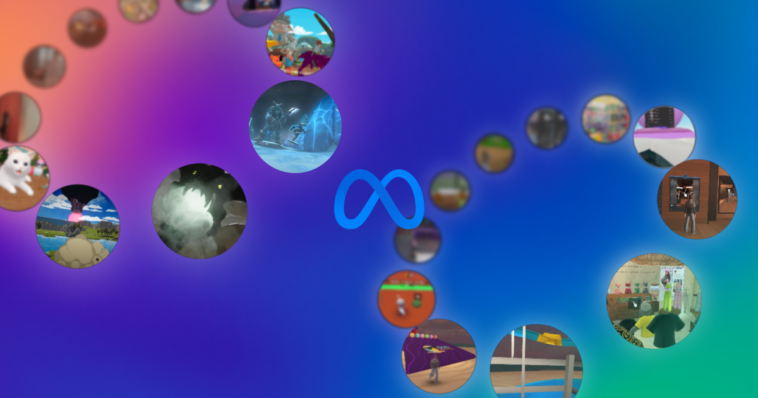
Meta is restructuring its metaverse strategy by shifting Horizon Worlds toward a mobile-first model and formally separating it from the Quest virtual reality platform.
In a developer update outlining its 2026 roadmap, the company said Horizon Worlds will now focus “almost exclusively” on mobile, while Quest will operate as a distinct VR ecosystem with its own growth strategy. The move marks a significant recalibration for a business unit that has invested heavily in immersive hardware and first-party VR content over the past several years.
Horizon Worlds was initially positioned as a social VR hub designed to anchor Meta’s metaverse ambitions. Now, rather than centering the experience on headsets, the company plans to expand access through smartphones and web, aiming to reach a broader audience across its social platforms.
Meta executives said mobile experimentation throughout 2025 showed “positive momentum,” prompting a deeper shift. Mobile-only worlds grew from zero to more than 2,000 experiences within a year, while monthly active users on mobile increased more than fourfold. By moving Horizon to phones, Meta places the product in more direct competition with established social gaming platforms such as Roblox and Fortnite, where user-generated worlds scale without requiring dedicated hardware.
The restructuring follows internal changes within Reality Labs, the division overseeing VR and AR initiatives. The unit has faced cost reductions, workforce cuts, and studio closures in recent months. While Meta reiterated its long-term commitment to VR hardware — including a roadmap of future Quest devices — the company acknowledged that headset adoption has expanded more slowly than anticipated.
Data shared in the update underscores the shift in emphasis. Roughly 86% of time spent on Quest headsets now goes to third-party applications rather than Meta’s own titles. In response, the company says it will concentrate on supporting independent developers through funding programs, monetization tools, improved analytics, and new discovery features such as curated deals sections and expanded developer profiles.
Meta reported investing nearly $150 million in VR developer initiatives during 2025 and highlighted growth in in-app purchases on Quest, which rose 13% year over year. Subscription service Horizon+ surpassed one million active subscribers, with a catalog exceeding 100 titles. However, Horizon Worlds itself is being repositioned away from serving as the centerpiece of the VR experience.
On mobile, Meta is emphasizing synchronous social gaming tied to its broader ecosystem of Facebook, Instagram, and Threads. The company argues that mobile integration allows creators to distribute interactive 3D experiences more easily and connect them to billions of users without requiring specialized equipment.
Technologically, Meta is rolling out new creation tools including Horizon Studio and Horizon Engine, designed to optimize performance and retention for mobile-built worlds. The company also plans to remove individual worlds from certain VR storefront placements to streamline app discovery.
The strategic divide reflects a broader realignment within Meta, which has increasingly prioritized artificial intelligence, smart glasses, and scalable consumer platforms. VR remains part of the company’s hardware roadmap, but it is no longer positioned as the primary gateway to the metaverse.
For developers, the change clarifies platform direction: Quest will focus on sustaining a dedicated VR ecosystem, while Horizon Worlds transitions into a mobile-native social gaming platform. For users, the shift signals that Meta’s version of the metaverse is moving from headsets to handheld devices.


Comments
Loading…