



 Jordan Bevan
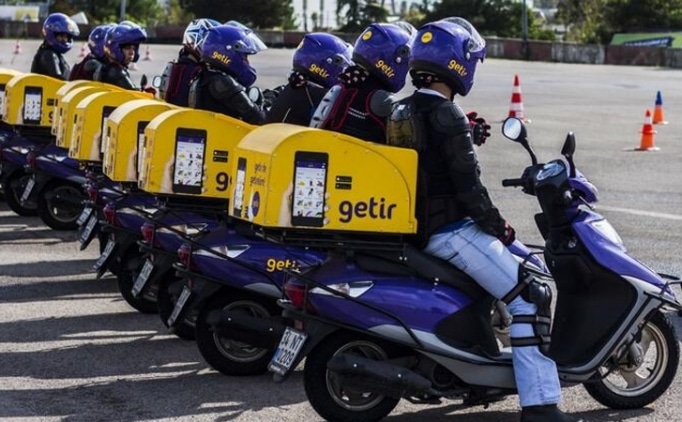
Uber has agreed to acquire the delivery business of Türkiye-based Getir, marking a significant step in the U.S. company’s effort to expand and consolidate its food and grocery delivery operations in Türkiye. The transaction, which remains subject to regulatory approval, brings together two of the country’s most prominent on-demand delivery platforms under Uber’s control.
According to disclosures made by Uber, the company will pay $335 million in cash to fully acquire Getir’s food delivery business from its controlling shareholder, Abu Dhabi–based Mubadala Investment Company. The deal is structured on a cash- and debt-free basis. In parallel, Uber will invest an additional $100 million to acquire a 15% minority stake in Getir’s broader delivery operations, which include grocery, retail, and water delivery services.
The agreement follows months of negotiations. Reuters reported in November that Uber had reached an agreement in principle with Mubadala and was awaiting approval from Turkish authorities. The acquisition now formalizes that plan and builds on Uber’s recent expansion in the country.
Uber has been steadily increasing its exposure to Türkiye’s delivery sector. In May 2025, the company agreed to acquire 85% of Trendyol Go for approximately $700 million, gaining a foothold in local food and grocery delivery through one of the country’s largest e-commerce ecosystems.
With the Getir transaction, Uber plans to integrate Getir’s delivery operations with Trendyol Go. Under the proposed structure, Getir users will continue to place orders through the Getir app, while gaining access to a broader restaurant selection powered by Trendyol Go. At the same time, Trendyol Go customers are expected to gain access to Getir’s grocery offerings within the Trendyol Go platform.
Uber has positioned the combination as a way to streamline operations and expand coverage for consumers, couriers, and merchants across Türkiye, though the company has not disclosed a timeline for full operational integration.
The deal comes after several challenging years for Getir, once one of Türkiye’s most highly valued startups. Founded in 2015, the company rapidly expanded during the pandemic, pushing into markets across Europe and the United States and reaching a peak valuation of around $12 billion.
As consumer demand normalized after pandemic lockdowns, Getir scaled back its international footprint. In 2024, the company exited multiple markets, including the U.S. and parts of Europe, and laid off thousands of employees to refocus on its domestic business. Internal disputes over restructuring plans followed, culminating in court proceedings in the Netherlands that ultimately upheld a Mubadala-backed plan.
Court filings last year showed Getir valuing its group assets at $374 million, a sharp contrast to its earlier peak valuation. The company has raised approximately $2.4 billion in total funding, according to PitchBook.
For Uber, the acquisition aligns with the continued growth of its delivery segment. The company reported $4.89 billion in delivery revenue in the fourth quarter of 2025, representing a 30% year-over-year increase. Europe, the Middle East, and Asia were cited as the fastest-growing regions for the business, making Türkiye a strategic market as Uber looks to scale outside North America.
Getir’s food delivery business alone recorded gross bookings exceeding $1 billion in 2025, up roughly 50% from the previous year, according to figures shared by Uber. Those volumes are expected to be folded into Uber’s broader delivery ecosystem once the transaction closes.
The acquisition remains subject to regulatory approvals and customary closing conditions. Uber has not disclosed a precise timeline for completion, nor has it outlined how quickly it plans to increase its ownership beyond the initial minority stake in Getir’s non-food delivery segments.
Once finalized, the deal would further concentrate Türkiye’s on-demand delivery market, bringing Getir and Trendyol Go under the same corporate umbrella and reinforcing Uber’s long-term bet on food, grocery, and local commerce delivery in the region.



Comments
Loading…