



 Sophie Blake
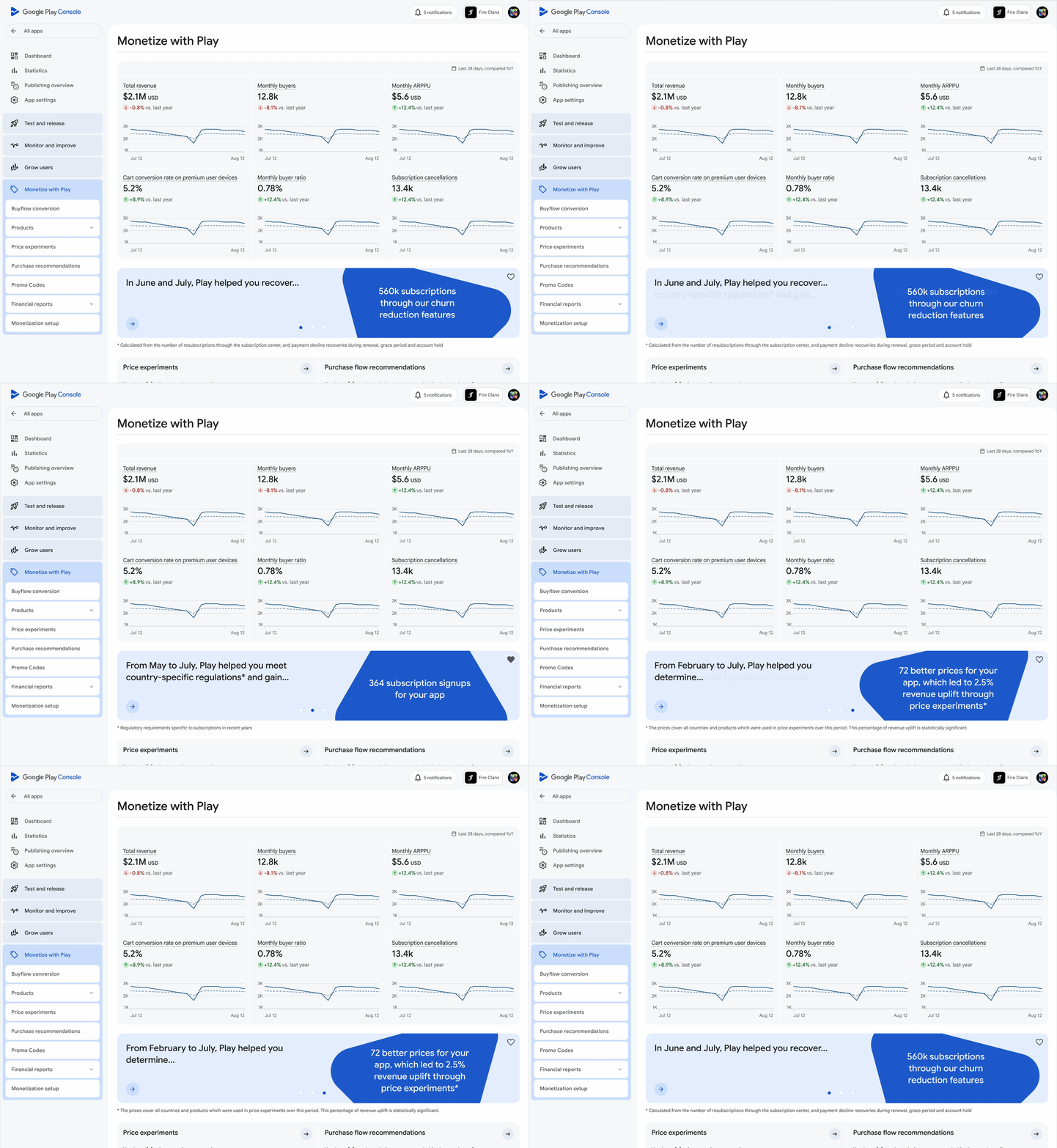
Google has rolled out a set of updates to the Google Play Console aimed at giving developers more detailed visibility into revenue performance and clearer signals on how monetization changes affect business outcomes. The changes introduce new insight surfaces, expanded reporting, and additional programmatic access to transaction data.
At the center of the update is an upgraded Monetize with Play overview page, which now includes a dynamic insights section. This area aggregates monetization signals intended to highlight how different factors contribute to revenue. Developers can track metrics such as cart conversion rate, subscription cancellations over time, average revenue per paying user (ARPPU), and the share of engaged users who convert into buyers. The goal is to present these indicators alongside core financial metrics rather than as separate reports.
Alongside the new insights view, Google Play Console is beginning to surface automated monetization recommendations. These are generated based on an app’s performance patterns and are designed to flag potential issues or opportunities, such as elevated churn. Each recommendation is paired with contextual information, including the expected level of effort and, where available, an estimated return on investment, allowing teams to prioritize changes based on projected impact.
Google has also expanded its financial reporting with Sales Channel data, which breaks down revenue by distribution surface. Developers can now see how much revenue comes directly from their app versus the Play Store or other platforms, including Google Play Games on PC. This level of attribution is intended to help teams assess the effectiveness of cross-platform strategies and better understand where growth is originating.
On the operational side, Google highlighted wider availability of the Orders API, which provides real-time access to one-time and subscription transaction data. By integrating the API, developers can feed order information directly into internal systems for reconciliation, analytics, or customer support workflows, reducing reliance on manual exports.
These updates are part of a broader shift in Google Play Console reporting toward more goal-oriented views, moving away from static data tables and toward insights tied to specific business objectives such as revenue growth, conversion optimization, and churn reduction. Google indicated that additional changes are planned as it continues to refine how financial and performance data is presented to developers.


Comments
Loading…