



 Jordan Bevan
Scotland has outlined a national strategy aimed at expanding its games sector to more than £1 billion in annual economic output by the end of the decade, positioning the industry as a driver of growth, skills development, and technological innovation.
The newly published Games Action Plan sets out a phased roadmap to establish what it describes as the UK’s first “games supercluster.” Developed over an 18-month period through public consultation involving more than 350 individuals and dozens of companies, the plan reframes games not only as a creative field but as a strategic economic sector with cross-industry impact.
According to the strategy, Scotland’s games workforce already generates significantly higher gross value added per employee than the national average, a factor cited as justification for scaling the sector through coordinated national action. Full implementation of the plan is projected to lift the industry’s annual gross value added beyond £1 billion by 2030.
Rather than proposing large, immediate public spending commitments, the action plan adopts what it calls a “phased and de-risked” approach. It is designed to build on existing government programmes, funding mechanisms, and infrastructure, aligning closely with wider national priorities such as the National Strategy for Economic Transformation, the Scottish Technology Ecosystem Review, and the Digital Economy Skills Action Plan.
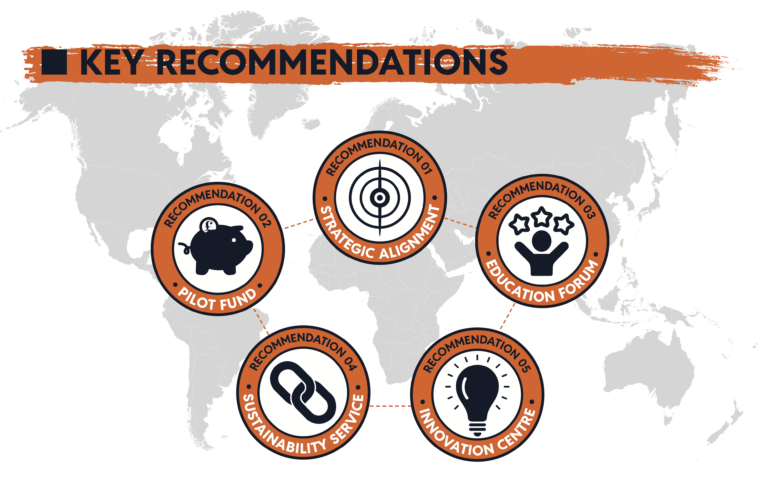
The first phase, structured as a two-year pilot, focuses on establishing core governance and support structures. Central to this is the proposed appointment of a chief games officer, an interim role tasked with coordinating activity across government, industry, and education, and reporting to Scotland’s chief entrepreneur. This role would oversee early delivery and ensure strategic coherence across initiatives.
Phase One also includes the launch of a Games Growth Catalyst Pilot Fund, backed by £5 million and modelled on existing schemes such as the UK Games Fund. The fund is designed with two streams: smaller grants aimed at early intellectual property incubation, and larger, targeted support for work-for-hire studios competing in international markets. Alongside funding, the plan calls for the creation of a National Games Skills and Education Forum to better align academic curricula with industry needs and address skills gaps using existing educational resources.
Additional measures in the initial phase include a dedicated enterprise and sustainability support service, intended to provide on-demand business advice and mentorship to new and growing studios through established enterprise agencies.
A second phase, contingent on the success of the pilot programme, proposes the development of a National Games Innovation Centre. This physical hub would act as a focal point for the sector, supporting collaboration, attracting international investment, and serving as a long-term asset for the industry. The plan makes clear that this stage would proceed only after measurable progress in the first phase.



Comments
Loading…