



 Maya Robertson
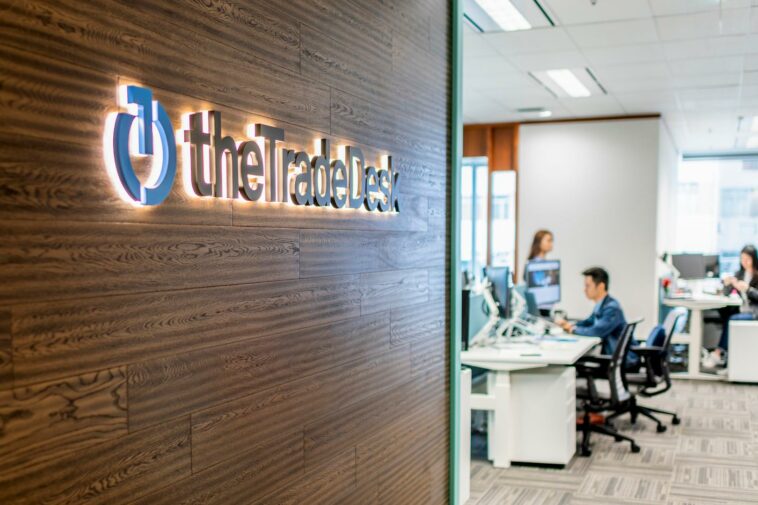
Competitors are moving to capitalize on growing scrutiny around The Trade Desk, following audit-related concerns raised by major agency groups, according to reporting from Adweek.
The developments follow actions by Publicis Groupe, which has advised clients against using The Trade Desk after a third-party audit identified issues related to user consent and billing practices. In parallel, Omnicom Group has initiated its own audit review of the platform, signaling broader industry attention.
Rival demand-side platforms are responding by directly targeting agency buyers. Companies such as StackAdapt have reportedly reached out to clients to encourage reassessment of existing DSP relationships, while Quantcast has launched campaigns referencing recent audit concerns to position itself as an alternative.
While the situation may create short-term opportunities for competing platforms, the broader shift in digital advertising infrastructure presents a more structural challenge. Agencies are increasingly building integrated ecosystems that combine media buying, data, measurement, and commerce capabilities, reducing reliance on standalone DSPs.
Both Publicis and Omnicom are investing heavily in artificial intelligence and first-party data systems. These efforts aim to consolidate fragmented workflows into unified platforms, enabling agencies to manage campaigns, data, and performance within their own environments rather than through external intermediaries.
At the same time, large closed ecosystems—often referred to as walled gardens—continue to attract a growing share of advertising budgets. Platforms operated by companies such as Meta and Amazon offer integrated ad stacks and direct access to inventory, appealing to advertisers seeking streamlined execution and measurable outcomes.
This shift toward closed-loop systems and direct publisher relationships is reshaping the role of DSPs across the market. As agencies and platforms expand their internal capabilities, independent adtech providers face increasing pressure to differentiate on transparency, flexibility, and cross-channel reach.


Comments
Loading…