



 Maya Robertson
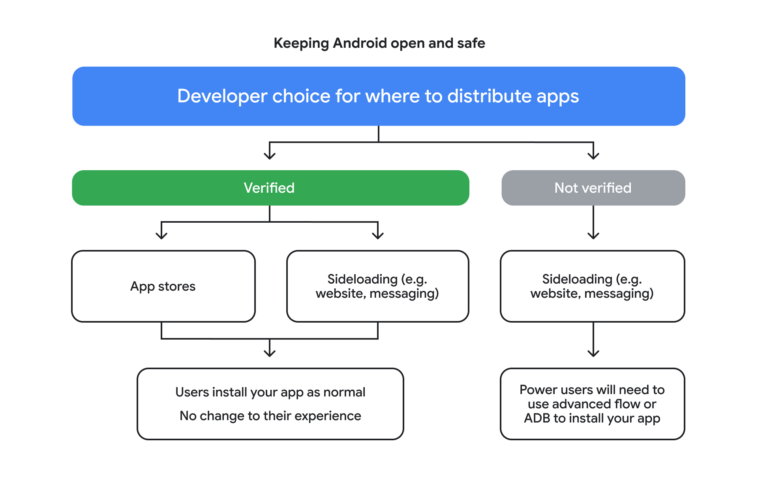
Google has begun rolling out a new developer verification system across its Android ecosystem, introducing additional safeguards aimed at reducing malicious app distribution while maintaining the platform’s open model.
The initiative, now live in both the Play Console and the newly introduced Android Developer Console, requires developers to verify their identity and register their applications ahead of upcoming user-facing enforcement phases. The move follows internal analysis indicating that malware is significantly more prevalent in apps distributed outside official channels compared to those on Google Play.
Under the new framework, developers distributing apps through Google Play may already meet verification requirements if they have completed existing identity checks. Those operating outside the Play ecosystem can now create accounts in the Android Developer Console to complete the process and register their apps.
While the verification rollout has started, changes to the user installation experience will not take effect immediately. Initial enforcement is scheduled for September 30, 2026, targeting certified Android devices in Brazil, Indonesia, Singapore, and Thailand. A broader global rollout is planned for 2027.
Once enforcement begins, most users will see no difference when installing apps. However, attempts to install unregistered apps will trigger additional steps, such as requiring advanced installation flows or the use of Android Debug Bridge (ADB), introducing friction designed to limit exposure to potentially harmful software.
Google has also outlined updates to streamline the developer experience. Integration with Android Studio will allow developers to view app registration status during the build process, while Play Console users will see automated registration for eligible apps. Manual registration options will remain available where automation is not possible.
To preserve accessibility, the company is introducing a limited distribution account option for students and hobbyists. This free tier will allow app sharing across a small number of devices without requiring formal identity verification, with broader availability expected later this year.
In parallel, a new system-level service, Android Developer Verifier, is scheduled to launch in April 2026. The service will enable devices to confirm whether an app is linked to a verified developer, forming part of the broader enforcement mechanism.



Comments
Loading…