



 Sophie Blake
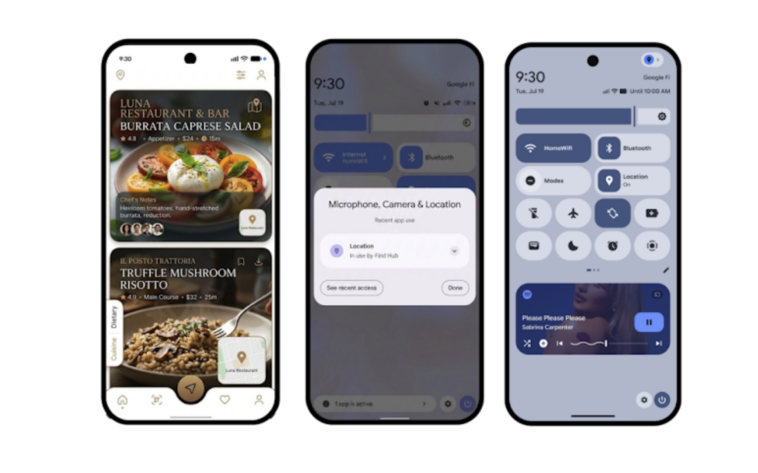
Android 17 is set to introduce a range of updated location privacy features aimed at giving users more control over how their data is accessed, while offering developers new tools to manage permissions more efficiently.
The changes reflect a broader shift in mobile platforms toward limiting persistent data access and improving transparency around how sensitive information, such as location, is used by applications.
A key addition in Android 17 is a new “location button,” designed to enable one-time access to precise location data at the moment a user initiates an action. Rather than granting ongoing permissions, users can choose to share their location only for a specific interaction, such as searching for nearby services or tagging content.
This approach shifts decision-making closer to the point of use, reducing the need for repeated permission prompts while limiting long-term data exposure. For developers, the feature is intended to streamline permission flows and provide clearer signals of user intent.
The location button can be customized to match an app’s design, though core visual elements—such as the location icon—remain standardized to maintain user recognition and trust.
Android 17 also introduces enhanced visibility into how apps access location data. A persistent on-screen indicator will notify users whenever a non-system app is actively using location services.
Users will be able to tap this indicator to view a list of recently active apps and adjust permissions directly through a dedicated interface. The update aligns location tracking disclosures more closely with existing indicators for microphone and camera usage.
Changes have also been made to how approximate, or coarse, location data is generated. Instead of relying on a fixed grid system, Android 17 uses a dynamic model that adjusts location granularity based on population density.
In areas with fewer users, the system expands the geographic range associated with approximate data, making it harder to infer an individual’s position. This adjustment is designed to create more consistent privacy protections across both urban and rural environments.
The update includes a redesigned runtime permission dialog, presenting clearer distinctions between precise and approximate location access. The revised interface is intended to help users make more informed choices with less complexity.
For developers, the new features are supported through Jetpack, enabling easier integration into existing applications. The system also maintains backward compatibility by defaulting to legacy permission prompts on devices running earlier Android versions.


Comments
Loading…