



 Sophie Blake
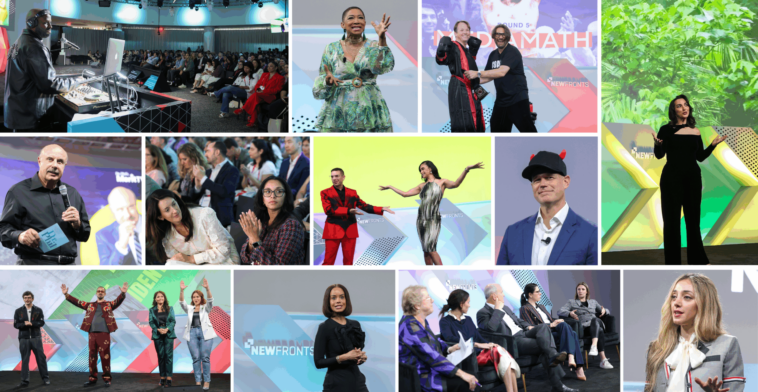
The 2026 edition of IAB NewFronts 2026 closed with a clear industry-wide shift: mobile is no longer just a channel, but the infrastructure powering a new generation of advertising defined by artificial intelligence, creator ecosystems, and performance-driven video.
Across four days of presentations, major platforms including Meta, Amazon, TikTok, and YouTube unveiled a wave of new ad formats and tools—many explicitly designed for mobile-first consumption and real-time engagement.
Mobile devices were consistently positioned as the central layer connecting fragmented screens, acting as the primary interface for identity, targeting, engagement, and conversion.
Meta Expands AI-Driven and Creator-Centric Ad Formats
At NewFronts, Meta introduced a series of updates aimed at capturing real-time engagement and aligning ads more closely with cultural moments. Central to this push were Reels trending ads, a format that places brand messages directly alongside high-performing creator content, allowing advertisers to tap into momentum rather than static placements.
The company also expanded creator marketplace and partnership ads, making it easier for brands to discover, evaluate, and activate creators at scale using AI-powered recommendations and filtering tools.
In parallel, Meta rolled out new AI-driven creative formats, including automated video generation, avatar-based ads, and multilingual video adaptation. These tools are designed to significantly accelerate production and tailor creative dynamically for mobile audiences.
Amazon Pushes Full-Funnel, AI-Led Commerce Advertising
Amazon used NewFronts to reinforce its positioning at the intersection of commerce and advertising, highlighting how AI is becoming the operating system for full-funnel campaigns.
The company emphasized adaptive creative optimization, where AI dynamically adjusts messaging, visuals, and formats based on real-time shopping signals and user intent.
Amazon’s approach reflects a broader trend: the compression of the customer journey, where discovery, consideration, and purchase increasingly happen within the same mobile-driven experience. This has led to growing investment in shoppable ad formats and commerce-integrated media, where mobile acts as the final conversion layer.
YouTube Introduces Pause Ads and Creator Takeovers
YouTube introduced new formats that blend premium video with creator-driven advertising. Among the most notable were pause ads, which appear when users pause video content, creating high-attention, non-intrusive placements.
The platform also expanded creator takeover formats, allowing advertisers to dominate inventory across top creator channels, effectively merging influencer marketing with paid media at scale.
These formats are supported by deeper AI integrations, including tools that help advertisers identify and activate relevant creators while optimizing campaign performance in real time.
Performance TV and Second-Screen Mobile Integration
NewFronts 2026 also highlighted the rise of “performance TV”, where streaming and connected TV campaigns are increasingly measured and optimized like digital media.
A key component of this evolution is mobile integration. New ad experiences are designed to work across screens, with formats that encourage users to engage via their smartphones while consuming content on TVs. This includes synchronized ads, interactive overlays, and mobile-driven response mechanisms that turn passive viewing into measurable action.
The event also spotlighted continued experimentation with pause-based advertising formats and interactive video units, reflecting a broader push toward less disruptive and more context-aware ad experiences.
TikTok and the Shift to Real-Time, Culture-Led Advertising
Alongside these developments, TikTok continued to push mobile-first advertising into real-time territory, focusing on formats that allow brands to participate in trending conversations as they happen.
This includes interactive video ads, creator-led storytelling formats, and enhanced commerce integrations that enable seamless in-app purchasing. The platform’s strategy reflects a wider industry movement toward culture-driven advertising, where timing and relevance are as critical as targeting.
AI Becomes the Backbone of Mobile Advertising
Across all major announcements, artificial intelligence emerged as the common foundation. Platforms are increasingly using AI not just for targeting, but for creative generation, media planning, campaign execution, and measurement.
Mobile environments play a critical role in this transformation, providing continuous streams of behavioral data that allow campaigns to self-optimize in real time. The result is a shift toward adaptive, always-on advertising systems that evolve continuously rather than operate in fixed cycles.


Comments
Loading…