



LATEST MOBILE MARKETING NEWS
-
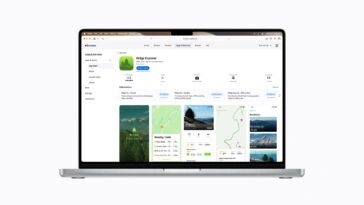
Apple introduces multiseat app subscriptions for businesses and schools
Apple has introduced multiseat purchasing for app subscriptions, allowing businesses and educational institutions to purchase multiple subscription licenses through a single transaction and distribute access to employees, students or other members of their organizations. The feature enables organizations using Apple Business or Apple School Manager to purchase auto-renewable app subscriptions in volume. The update extends […] More
-
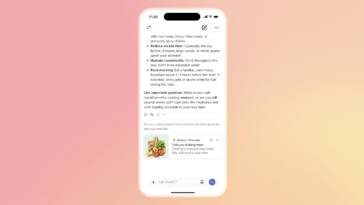
OpenAI expands ChatGPT ads to 26 additional countries
OpenAI has expanded ChatGPT ads to 26 additional countries, extending its international advertising operations as the company develops new ad formats, measurement tools and buying options. The expansion follows earlier rollouts across Europe, Southeast Asia and Latin America and comes eight months after advertising was introduced on ChatGPT. According to OpenAI, more than 100,000 advertisers […] More
-
 in Deals and IPOs, News
Kevel secures $52M to expand AI-powered retail media platform and pursue acquisitions
Retail media technology company Kevel has raised $52 million in Series D funding round to expand its AI-powered advertising infrastructure, pursue acquisitions and strengthen its position in the commerce media market. The funding includes investments from Fulcrum Equity Partners, dunnhumby Ventures and Iberis Capital, alongside growth capital from ORIX USA. The round brings Kevel’s total […] More